

Optimizing for fertility: egg quality, nutrients, foods, and labs
The deeper layer, for the woman who's ready to go further

Honestly? Fertility maxxing might be one of the best trends going around right now.
The preconception window is one of the most important and truly underutilized times to invest in your health. And the fact that women are paying attention to it and making intentional changes before they start trying (anywhere from 3 months to a year!!)... that’s a really good thing. I am here for all of it.
The part I want to talk about though, is how you get there.
Because there’s a version of this that works and a version that doesn’t. And the difference isn’t how much you do. It’s how sustainably you do it.
If you have the personality type who can do a complete overhaul, change everything at once, and genuinely sustain it long term...go for it. Some people are wired that way and it works beautifully for them.
But for most women, the more effective path is a gentler one. Get the foundations in place first. Build consistency. Let those habits become second nature. Then layer in the optimization. That approach creates shifts that actually last, through conception, through pregnancy, through postpartum, and beyond. Because the goal was never a 90-day protocol or to biohack a pregnancy. The goal is a body that feels safe and supported for the long haul.
As silly as it may sounds, I think about it like training for a marathon.
Because well, Pregnancy is the marathon. And you wouldn’t show up to your first training run and do speed intervals. You’d build an endurance base first. Consistent miles, week after week, until your body has the reserves and the resilience to handle more. Only then do you layer in the harder work.
The women who finish the race are almost never the ones who did the most in week one. They’re the ones who showed up consistently for months.
Preconception health works exactly the same way.
A Quick Note Before We Dive in
This is Part 2 of a two-part series on preconception health. Part 1 covers the foundations: what most women skip, why the 3-6 month window matters, and the non-negotiable basics around nourishment, stress resilience, and detoxification. If you haven’t read it yet, start there. This post assumes the foundation is already in place or actively being built. The optimization layer doesn’t work without it.
If you’re already there... let’s go deeper.
Let’s Talk About Egg Quality
The conversation around egg health is shifting. It used to only be about quantity and maternal age and is shifting more towards egg quality.
And here’s what the research actually shows: your daily choices during the 90-100 days before ovulation are actively shaping the eggs that are maturing right now. No matter how many eggs you have left or how old they are. Egg quality is a critical factor in your chance of conception, often serving as the primary driver of fertility. this us especially true with increasing age. What you eat, the nutrients you’re getting, your stress load, your sleep, it all creates the internal environment where your eggs develop.
And one of the most evidence-backed ways to support that environment is antioxidants. Oxidative stress is one of the primary drivers of poor egg quality, and antioxidants directly counter that. This is exactly why so many prenatal brands now have dedicated egg quality formulas built around antioxidants and CoQ10. Because the research is there and women are asking for it.
You can’t control your age or your genetics. But you can absolutely give your body the raw materials to have the highest quality eggs as possible. All you need is one egg to make a baby and the higher quality egg, the better chance of conception.
The Nutrients That Actually Matter
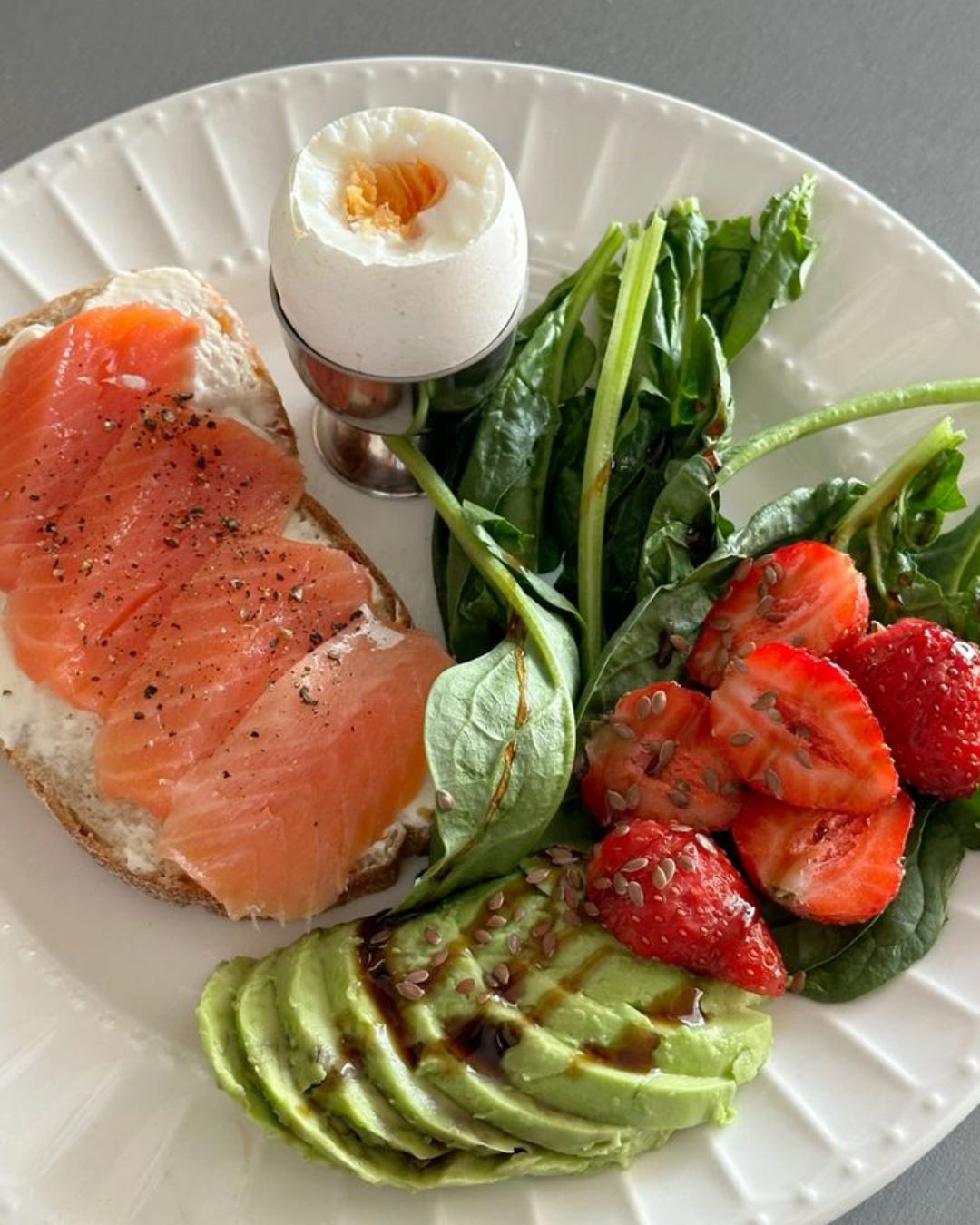
When it comes to fertility, there are specific nutrients your body needs to support ovulation, egg quality, implantation, and early fetal development. These aren’t just “nice to have.” These are the raw materials your body is actively looking for when it’s trying to conceive. I’m all for a food first approach, but unfortunately most women aren’t getting enough of them from food alone.
